

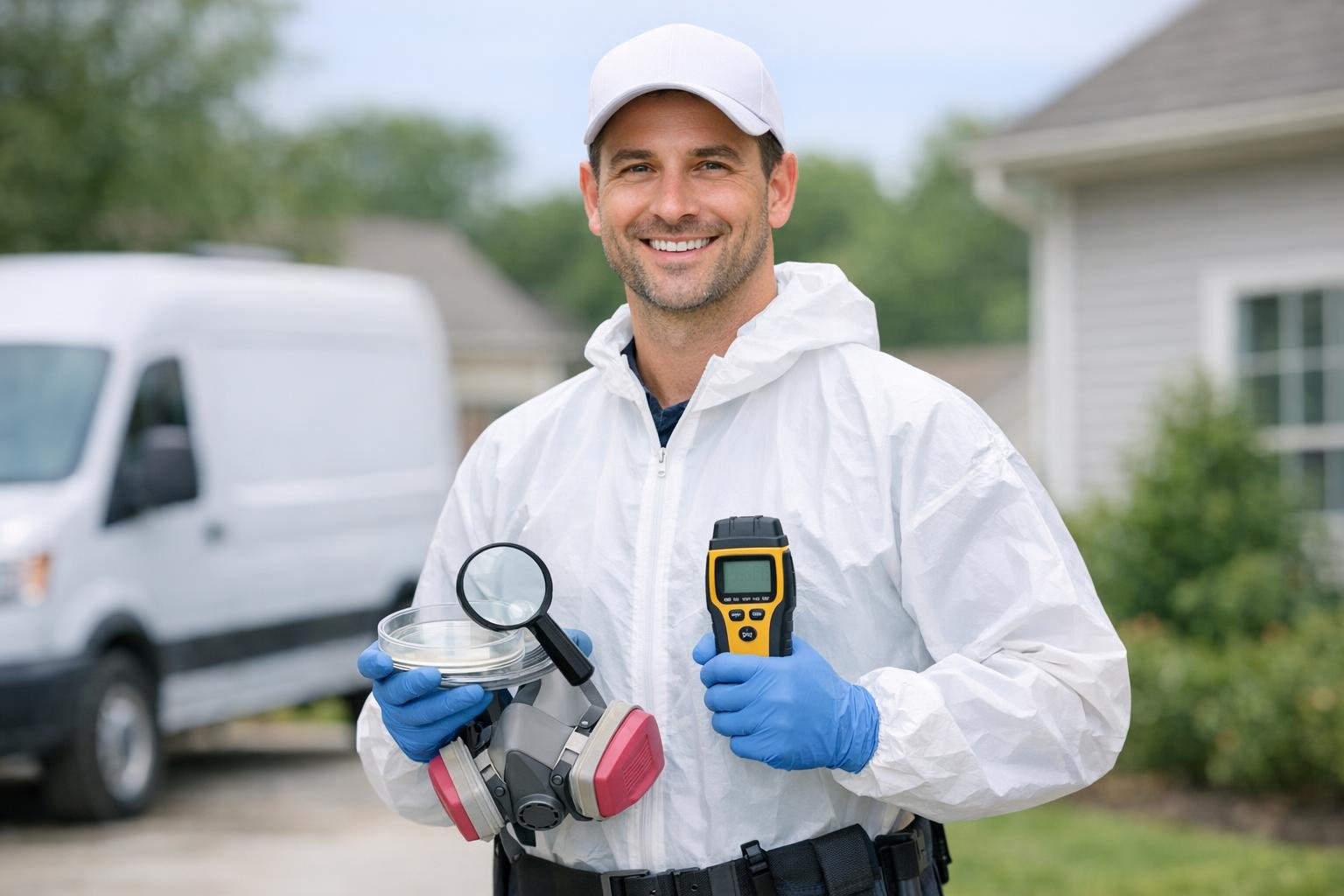
Introduction: Navigating Mold Testing Expenses in the First State
Mold. It’s a word that can evoke images of musty basements and health concerns, and for Delaware residents, understanding the potential for mold growth and its associated costs is crucial. From the humid summers along the Brandywine Valley to the older residential neighborhoods in Wilmington, Newark, Bear, and Middletown, the conditions are often ripe for mold to take root. If you suspect mold in your home, the immediate concern often shifts to understanding the expense of professional mold testing. This guide aims to demystify those costs, explain what influences them, and provide practical strategies for budgeting effectively to protect your health and your property in the First State.
Why Mold Testing Matters for Your Health and Home in Delaware
Delaware’s unique environment presents specific challenges for homeowners regarding mold. The state’s climate — characterized by high humidity, especially during summer months — combined with the prevalence of older homes throughout New Castle County creates fertile ground for mold growth. Many homes in Wilmington and surrounding communities were built decades ago and may have less robust ventilation systems, aging plumbing, and foundations that are more susceptible to moisture intrusion. Delaware’s low-lying topography and proximity to tidal waterways further contribute to elevated humidity and flood-risk conditions throughout the state.
This makes mold a persistent concern that impacts both the well-being of occupants and the structural integrity and value of the property. Ignoring potential mold issues can lead to escalating problems, making timely and accurate mold testing an essential investment.
Why Mold Testing is Essential: More Than Just a Musty Smell
The presence of mold is not merely an aesthetic or olfactory nuisance — it signals a deeper environmental issue within a property. Professional mold testing moves beyond simple visual identification to provide concrete data about the type and extent of mold contamination, which is critical for effective remediation and safeguarding occupant health.
When to Consider Professional Mold Testing
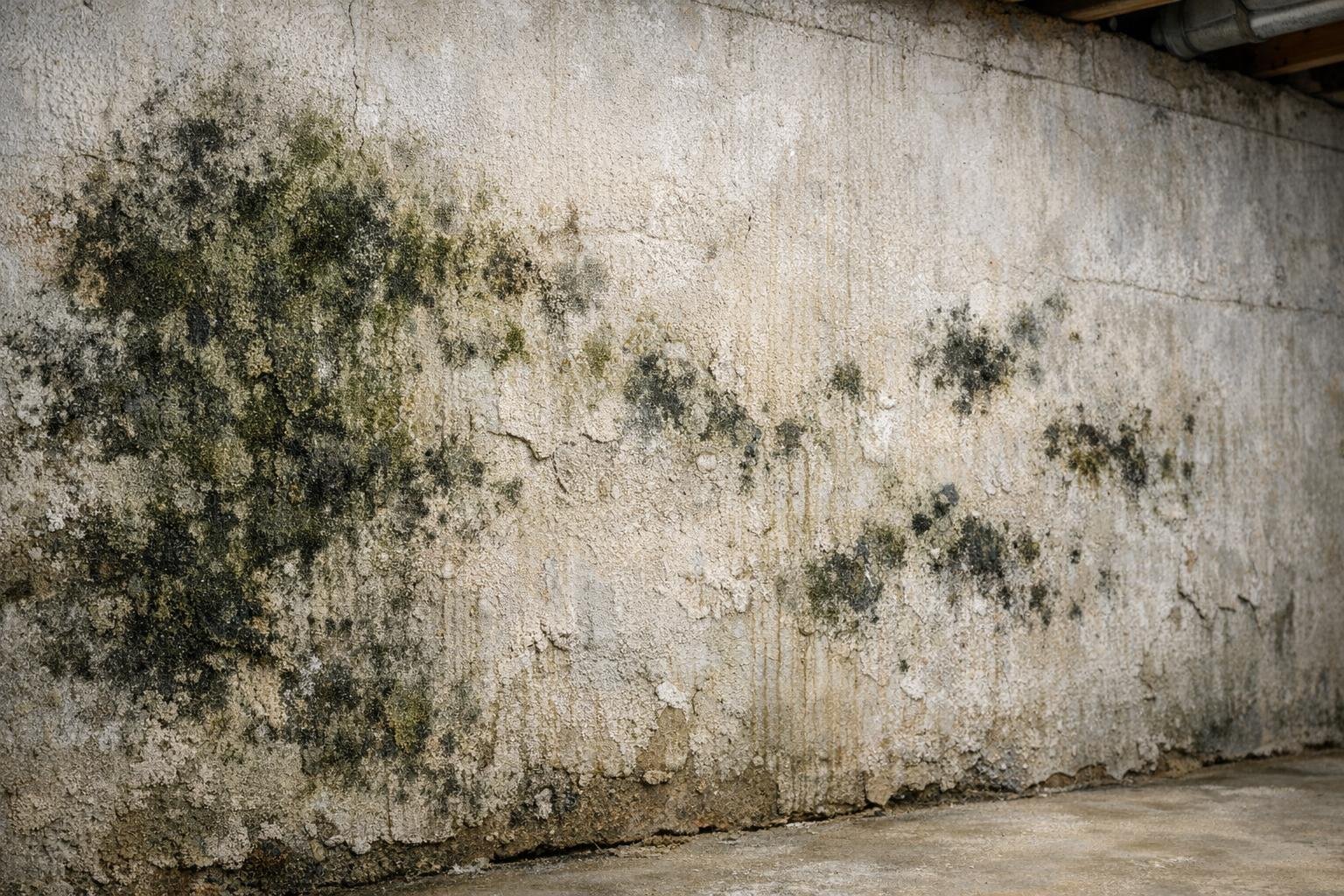
Several indicators suggest that professional mold testing in your Delaware home might be necessary. A persistent musty odor — particularly in damp areas like basements, bathrooms, attics, or crawl spaces — is a primary sign. Visible mold growth, often appearing as discolored patches, is another clear indicator. A history of water damage, whether from leaks, floods, or high humidity, significantly increases the likelihood of mold growth. Additionally, if occupants are experiencing unexplained allergies, headaches, respiratory issues, or worsening asthma symptoms, it’s prudent to suspect indoor mold exposure.
Potential Health Risks of Mold Exposure
Exposure to mold can have significant health implications. For many individuals, mold spores act as allergens, triggering reactions like sneezing, runny noses, red eyes, and skin rashes. More concerningly, mold exposure can exacerbate asthma and other respiratory conditions. It is estimated that 21% of asthma cases in the U.S. are linked to dampness and mold exposure, contributing to 4.6 million U.S. asthma cases annually. For those with compromised immune systems, mold can lead to more severe infections. Professional mold testing is vital to identify the presence and type of mold, allowing for targeted mold removal and remediation to protect indoor air quality and the health of your family.
Protecting Your Property Value
Mold doesn’t just affect health — it can cause significant damage to a property. Mold thrives on organic materials found in building materials such as wood, drywall, and insulation. Over time, it can weaken these materials, leading to cosmetic damage, odors, and potentially serious structural damage. Left untreated, mold can spread extensively, requiring more complex and costly remediation efforts. Addressing mold issues early through professional testing and subsequent mold removal is essential for preserving your home’s structural integrity and market value.
Key Factors Influencing Mold Testing Costs in Delaware
Understanding the variables that contribute to the overall cost of mold testing is essential for accurate budgeting. Several factors dictate the complexity and scope of the testing project, directly impacting the final price.
Scope of the Inspection and Size of the Affected Area
The extent of the mold inspection is a primary cost driver. A comprehensive inspection of a large single-family home will naturally require more time and effort than a targeted inspection of a single room. The number of areas to be assessed, their accessibility, and the initial visual assessment all contribute to the inspector’s time commitment and the overall cost.
Types and Number of Samples Required
- Air Sampling: Uses specialized equipment to capture airborne mold spores — crucial for assessing spore concentrations indoors versus outdoors, especially near HVAC systems.
- Surface Sampling (Tape Lifts/Swabs): Collects mold from specific surfaces to identify sources of visible or suspected growth.
- Bulk Sampling: Collects a piece of the moldy material itself, often used for larger impacted areas.
The more types of samples collected across different locations, the higher the laboratory analysis fees will be.
Laboratory Analysis Fees
Once samples are collected, they must be sent to an accredited laboratory for analysis. These fees are charged per sample and are a critical component of the total mold testing cost. The laboratory identifies the types of mold present and quantifies spore concentrations. Choosing a reputable, accredited lab is non-negotiable for accurate results.
Expertise and Certifications of the Inspector
Certified inspectors holding credentials from organizations like the ACAC or IICRC have demonstrated a higher level of knowledge and adherence to industry standards. Companies employing experienced professionals with specialized training may charge more, reflecting their expertise and commitment to a thorough and accurate assessment.
Specialized Equipment Used
- Moisture Meters: Measure moisture content in building materials, indicating areas prone to mold growth.
- Thermal Imaging Cameras: Detect temperature differences on surfaces, revealing hidden moisture behind walls or in insulation.
- Borescopes: Small cameras used to inspect cavities within walls or ceilings.
Typical Mold Testing Cost Ranges in Delaware
Pricing varies based on home size, number of samples, and level of contamination.
Basic Visual Inspection with Limited Sampling
A basic mold inspection typically involves a visual assessment of accessible areas plus a limited number of samples. In Delaware, you can expect costs for such a service to start around $350, potentially ranging up to $800. This level is best suited for situations where mold is visibly present or a musty odor is localized.
Comprehensive Air and Surface Testing
A more comprehensive project includes a thorough visual inspection, multiple air sampling points throughout the home, and several surface samples from suspect areas. For this level of testing in Delaware, costs can typically range from $500 to $2,500. This range accounts for the increased number of samples, laboratory analysis fees, and inspector time.
Specialized Testing (Mycotoxin, Multiple Locations)
Certain situations require specialized testing. Mycotoxin testing — which analyzes for toxic compounds produced by some molds — is more complex and expensive than standard spore analysis. Testing a larger property with multiple distinct water damage events will also increase the overall cost. These specialized services can push expenses into the $1,000 to $3,000+ range.

Understanding “Value Packages”
Some companies offer bundled services. Scrutinize what these packages truly encompass. Ensure the package explicitly details the extent of mold testing, including the number and type of air and surface samples, and what the laboratory analysis covers. Do not assume a general home inspection package includes comprehensive mold testing.
How to Budget for Mold Testing in Delaware
Request Multiple Quotes — Compare Scope, Not Just Price
The most critical budgeting strategy is to request quotes from at least three different mold testing companies in the Delaware area. When comparing these quotes, examine the scope of work offered by each company rather than focusing solely on price. A slightly higher quote that includes more comprehensive testing and a more detailed report may offer greater long-term value and peace of mind.
Professional vs. DIY Mold Testing
DIY mold test kits are available but often provide limited, misleading information. These kits typically only detect the presence of mold and do not identify the type, quantify spore levels, or determine the extent of hidden contamination. A professional mold inspector has the training, equipment, and access to accredited laboratories necessary for accurate diagnosis — highly recommended for comprehensive results in Delaware.
Beyond Testing: Mold Remediation and Prevention
Interpreting Your Mold Test Results
Once you receive your mold test report, a qualified inspector will explain the findings, correlate them with visual observations, and identify the root cause of the mold growth — often a moisture source. This interpretation is crucial for developing an effective action plan, which usually involves professional mold remediation to safely remove the mold and address the underlying moisture problem.
Factors Influencing Mold Remediation Costs
- Extent of Contamination: Larger areas require more extensive cleaning and material removal.
- Type of Mold: Certain types require specialized containment or cleaning procedures.
- Location of Mold: Difficult-to-reach areas increase labor and material costs.
- Required Containment: Setting up containment barriers prevents cross-contamination.
- Building Material Impact: If mold has caused structural damage requiring replacement of drywall, insulation, or framing, remediation costs escalate.
Proactive Steps to Prevent Future Mold Growth
- Control Humidity: Maintain indoor humidity between 30–50%. Use dehumidifiers in damp areas like basements.
- Ensure Proper Ventilation: Ensure bathrooms and kitchens are adequately ventilated. Check attic ventilation to prevent moisture buildup.
- Address Water Damage Promptly: Fix leaks in roofs, pipes, or windows immediately. Dry water-damaged materials within 24–48 hours.
- Regular Maintenance: Inspect gutters, downspouts, and foundation for signs of water intrusion.
- HVAC System Maintenance: Regularly clean and inspect HVAC systems to prevent mold from growing and circulating.
Conclusion
Navigating the world of mold testing in Delaware involves understanding its necessity, the factors that influence costs, and how to budget effectively. From the state’s humid climate and older housing stock to the potential health and property risks, professional mold testing is an invaluable tool for homeowners throughout Wilmington, Newark, Bear, Middletown, and surrounding communities. While costs can vary — ranging from approximately $350 for basic inspections to $1,500+ for comprehensive services — the investment is often minor compared to the potential expenses of undetected or improperly handled mold remediation. By requesting multiple quotes and understanding the long-term value, Delaware residents can confidently invest in professional mold inspection and testing, ensuring a healthier and more secure living environment.
Frequently Asked Pricing Questions — Advantage Mold Experts
Welcome to Advantage Mold Experts — your trusted local mold inspection and remediation professionals serving Pennsylvania, New Jersey, and Delaware. We believe in education, transparency, and protecting your home with honest science-based service.
💵 Do You Offer Free Estimates?
We take tremendous pride in being recognized as one of the most trusted mold experts in the area. Because of the true cost of sending trained technicians to your home — including equipment, expertise, travel, insurance, and time — we do not offer free estimates.
Many companies that advertise “free estimates” rely on high-pressure sales tactics or inflated pricing once they arrive. At Advantage Mold, we focus on accuracy, transparency, and professionalism over quick sales.
🧫 How Much Does Mold Testing Cost?
Mold testing depends entirely on property size and what needs to be sampled. Because every home is unique, pricing varies based on:
- Whether testing is needed for the whole home or just one room
- How many samples are required
- Home size and layout
- Level of contamination
- Whether you need documentation for insurance, landlords, or real estate
Average baseline: ➡️ $150 per sample
🛠️ How Much Does Mold Remediation Cost?
We provide remediation quotes only after inspecting your home and evaluating what is causing the mold, how far the moisture has spread, whether structural materials are impacted, and the safest, most effective remediation plan.
⭐ What Makes Advantage Mold Different?
Advantage Mold goes far beyond basic “test-and-spray” companies. Homeowners trust us because we:
- Evaluate the entire home, not just visible mold
- Inspect key systems such as HVAC, evaporator coils, and air distribution
- Identify the moisture source so the problem never returns
- Provide documented, data-driven findings
- Guarantee transparent pricing — no surprises
- Offer same-day appointments when available
- Use no high-pressure sales tactics
🏠 Can You Help Tenants?
Yes. Many companies refuse to help renters, but a large part of our work involves supporting tenants experiencing indoor air or moisture issues. We provide certified inspections and testing whether you rent or own the property.
💬 House-Call Visit
For homeowners who want clarity, we offer a House Call Visit for only $150 (subject to change). A trained technician will answer your questions, give expert guidance, and evaluate the concern without requiring any additional services.
🧬 Mold Testing vs. Mold Inspection vs. Mold Report
| Service | What It Does | What It Does NOT Do | When You Need It |
|---|---|---|---|
| Mold Testing | Identifies mold types and spore levels with lab-certified results | Doesn’t determine cause or spread | When you need proof or documentation |
| Mold Inspection | Full home assessment, moisture detection, HVAC and humidity check | Doesn’t include lab results unless added | Before remediation or when mold keeps returning |
| Mold Report | Full documentation including findings, testing, photos, and next steps | Doesn’t remove mold | For insurance, landlords, or protection records |
🧪 How Fast Does Mold Grow?
- 12–24 hours: Germination begins
- 24–48 hours: Spores become active
- 72 hours: Visible growth and odor begin
💠 About the Owner — Derrick Jackson
Derrick Jackson, owner of Advantage Mold Experts, is a trusted mold specialist serving Pennsylvania, New Jersey, and Delaware. After years of helping families solve mold, moisture, and indoor air quality issues, Derrick authored his second book, Got Mold?, to help homeowners avoid costly mistakes during testing and remediation. Derrick’s background spans Plumbing, Water Damage Restoration, Flood Prevention, and HVAC Air Distribution Systems — giving him a unique ability to diagnose what many inspectors miss.
Ready to Schedule Mold Testing in Delaware?
✅ Same-day results. Certified inspectors.
📱 (484) 436-4707 | 🌐 www.bestmoldinspector.com
Serving Pennsylvania • New Jersey • Delaware